Source Mobile Ore Stone Sifter for Compost, Soil, and Sand
Compare 20 mobile ore stone sifter options from verified Chinese manufacturers. These units feature hydraulic drum and linear vibrating designs for screening sand, compost, and soil with customizable mesh sizes and power ratings.
Key considerations
Products List


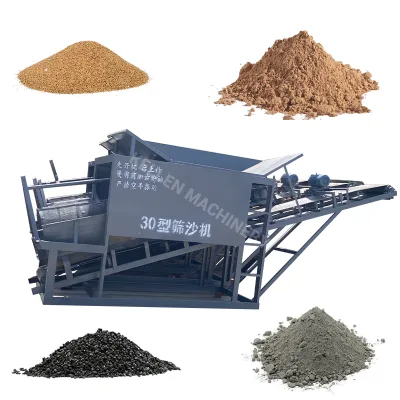


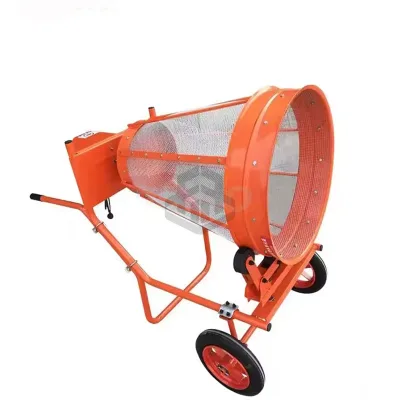


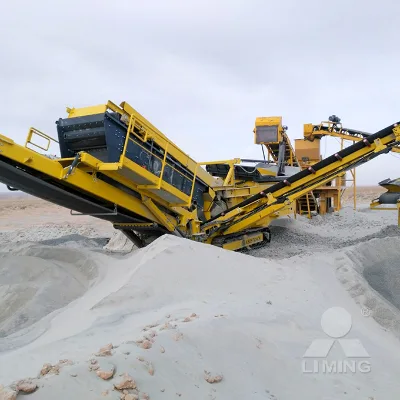
Comprehensive Sourcing Guide
Mobile Ore Stone Sifter Sourcing Guide
The mobile ore stone sifter represents a critical piece of equipment for operations requiring on-site material separation, particularly in mining, composting, and soil processing sectors. These units are engineered to handle diverse feed materials ranging from raw ore to compost and soil stone sand, offering a versatile solution for high-frequency screening tasks. Buyers must recognize that while the core function remains consistent, the specific configuration—whether a drum screen or a linear vibrating type—depends heavily on the intended application and the physical characteristics of the material being processed.
Procurement decisions for this equipment hinge on understanding the distinction between fixed and mobile configurations, as well as the specific mechanical drive systems employed. The observed market data indicates a prevalence of hydraulic drum screens and linear vibrating screens, each offering unique advantages in terms of mobility and screening efficiency. A buyer must evaluate whether the operational environment demands the compact, single-shaft mobility of a drum unit or the high-frequency, linear motion of a shaker designed for mine applications, as this choice dictates the subsequent technical and logistical requirements.
Product Scope and Observed Listing Signals
The product landscape for mobile ore stone sifters reveals a significant variance in capacity and physical dimensions, which directly impacts site suitability and throughput expectations. Listings indicate capacity ranges spanning from 80 to 129 cubic meters per hour, suggesting that a single model may not suffice for all operational scales. Buyers should scrutinize the specific capacity claims against their daily processing targets, noting that larger units often require more substantial power inputs and may necessitate specialized transport logistics due to their footprint.
Listing signals also highlight a wide spectrum of customization options, with many suppliers offering custom-made colors and tailored dimensions to fit specific site constraints. The observed product models, such as the HTS1550 and KL-20X, demonstrate that manufacturers provide distinct configurations for different screening needs, including specific mesh sizes like 1.5cm for sand screening. Procurement teams must verify that the listed "customizable" attributes align with actual engineering capabilities, ensuring that the requested modifications do not compromise the structural integrity or the screening efficiency of the machine.
Technical Specifications to Verify
Voltage compatibility and power consumption are primary technical variables that require immediate verification before finalizing a purchase order. The market data shows a mix of voltage standards, including 220V, 380V, and 415V, alongside specific power ratings such as 4 kW for certain models. A buyer must confirm that the local power infrastructure matches the machine's electrical requirements to avoid costly retrofits or the need for additional transformers, as mismatched voltage can lead to motor failure or inefficient operation.
Mechanical specifications, including the type of transmission structure and supporting devices, are equally critical for ensuring long-term reliability in harsh operating conditions. The observed listings feature both coil springs and rubber springs as supporting devices, with transmission structures ranging from vibrating screens to linear vibrating types. Buyers should request detailed diagrams of the shaft configuration, noting the distinction between single-shaft drum units and multi-shaft linear systems, to ensure the selected machine can handle the specific vibration frequencies and load requirements of the intended ore or soil material.
Compliance and Safety Documentation
Safety and operational compliance are often validated through the provision of machinery test reports and adherence to international quality standards. The available data confirms that some suppliers provide machinery test reports and hold ISO certifications, which serve as essential indicators of manufacturing quality and safety compliance. Procurement teams should explicitly request these documents to verify that the equipment has undergone rigorous testing for structural integrity and operational safety before it is deployed in a mining or processing environment.
Documentation regarding the core components and after-sales support is another vital aspect of compliance that cannot be overlooked. The presence of a motor as a core component and the availability of video technical support suggest a reliance on remote diagnostics and guidance for maintenance. Buyers must ensure that the supplier provides clear documentation on the origin and specifications of the motor and other critical parts, as well as a defined protocol for accessing technical support, to mitigate downtime risks in remote or challenging operational sites.
Cost Drivers and Commercial Terms
The pricing for mobile ore stone sifters is influenced by a complex interplay of customization, capacity, and the specific mechanical features included in the unit. The observed price range is extensive, spanning from $245 to $59,000, reflecting the difference between basic screening units and highly customized, high-capacity hydraulic systems. Buyers should understand that the lower end of this range likely corresponds to smaller, less customized models, while the higher end reflects units with advanced features, larger capacities, and extensive customization options.
Commercial terms, including warranty periods and packaging standards, play a significant role in the total cost of ownership and risk management. The market data indicates warranty periods ranging from one to two years, with packaging options varying from customary packing to iron sheet and plywood reinforcement. Procurement negotiations should focus on securing the longer warranty terms where available and ensuring that the packaging is robust enough to prevent damage during international shipping, as the cost of repairing or replacing a damaged unit can far exceed the initial savings from a lower purchase price.
Supplier Qualification and Quality Control
Supplier qualification for mobile ore stone sifters requires a deep dive into the manufacturer's R&D capabilities and their track record in producing specialized screening equipment. The presence of dedicated R&D teams, such as "Green Machinery" or "Our Own," suggests a commitment to innovation and continuous improvement in product design. Buyers should verify the depth of these teams and their involvement in customizing solutions, as this indicates the supplier's ability to adapt to unique operational challenges rather than simply offering off-the-shelf products.
Quality control processes are further evidenced by the specific production locations and the standardization of their output. The observed data points to origins in Henan and Xinxiang City, China, regions known for their machinery manufacturing clusters. Buyers must assess the consistency of production standards across these locations, ensuring that the "customized" nature of the product does not lead to variability in quality. Requesting references from previous clients and verifying the consistency of the machinery test reports provided by the supplier is essential to confirm that quality control measures are robust and reliable.
Long-Term Procurement Checks
Sustaining the performance of mobile ore stone sifters over time depends on the availability of spare parts and the clarity of the maintenance protocols provided by the supplier. The warranty periods observed, ranging from one to two years, provide a baseline for initial support, but buyers must plan for the long term by ensuring that critical components like motors and springs are readily available for replacement. Establishing a clear supply chain for spare parts before the warranty expires is crucial to minimizing operational downtime and maintaining screening efficiency.
Finally, the adaptability of the equipment to future operational changes must be evaluated as part of the long-term procurement strategy. The "customizable" nature of these machines offers flexibility, but buyers should verify the extent of this adaptability, including the ability to upgrade mesh sizes or modify the screening function for different materials. Regular reviews of the machine's performance against the original specifications, combined with ongoing technical support from the supplier, will ensure that the mobile ore stone sifter continues to meet the evolving demands of the mining and processing industry.
FAQs
What is the typical screening capacity for mobile ore stone sifters?
The typical screening capacity ranges from 80 to 129 cubic meters per hour. This volume allows for efficient processing of bulk materials like compost, soil, sand, and stone. The capacity ensures that high-volume operations can maintain steady throughput without frequent bottlenecks or delays in the material handling workflow.
Can mobile ore stone sifters be customized for specific applications?
Yes, customization is available for mobile ore stone sifters to meet specific operational needs. Buyers can select custom colors and tailored specifications to fit their site requirements. This flexibility ensures that the equipment integrates seamlessly into existing workflows while maintaining the core screening functionality required for efficient material separation.
What voltage options are supported by mobile hydraulic drum screens?
Mobile hydraulic drum screens support multiple voltage options including 220V, 380V, and 415V. This versatility allows the equipment to operate in various regional electrical environments without requiring extensive modification. The 380V option is commonly listed, ensuring compatibility with standard industrial power supplies for consistent performance during screening tasks.
What warranty and after-sales support are provided for these machines?
Warranty periods typically range from one to two years depending on the specific model and supplier terms. After-sales support often includes video technical assistance to help troubleshoot issues remotely. This support structure ensures that buyers can maintain equipment uptime and resolve operational challenges efficiently without needing immediate on-site intervention.
What are the standard dimensions for a mobile ore stone sifter?
Standard dimensions vary by model, with common sizes including 7.16 by 2.5 by 3.51 meters and 4.2 by 1.1 by 2.2 meters. These dimensions accommodate different hopper sizes and screening areas. The compact footprint of smaller models facilitates easier transport and installation on various job sites while maintaining effective screening capabilities.
Which certifications are commonly associated with mobile ore stone sifters?
ISO certification is commonly associated with mobile ore stone sifters, indicating adherence to international quality management standards. This certification assures buyers of consistent manufacturing quality and reliable performance. It serves as a key indicator of supplier professionalism and commitment to producing equipment that meets global industry expectations for safety and durability.